Source Blackhead Removal Exfoliating Facial Mask for Home Care
Find and compare 30 blackhead removal exfoliating facial mask options from China. Evaluate features like moisturizing, whitening, and pore cleaning across various sheet and mud formats. Source OEM/ODM products with customizable ingredients such as hyaluronic acid, collagen, and volcanic mud for diverse skin types.
Key considerations
Products List




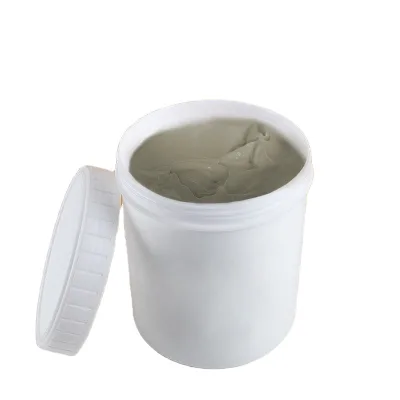


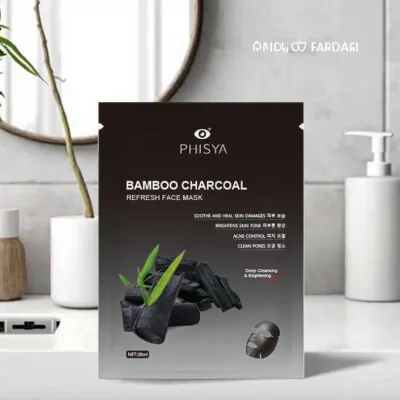
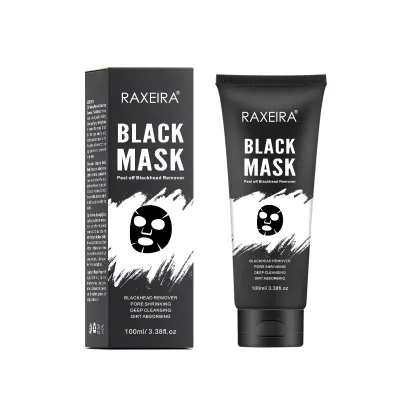


Comprehensive Sourcing Guide
Blackhead Removal Exfoliating Facial Mask Sourcing Guide
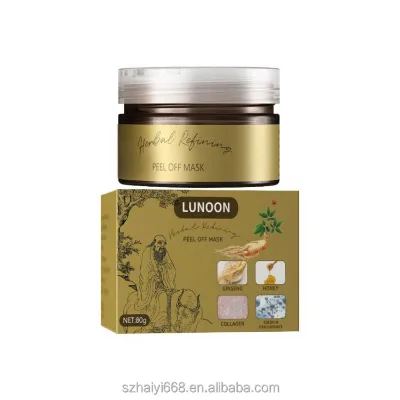
Sourcing blackhead removal exfoliating facial masks requires a nuanced understanding of the diverse material compositions and functional claims present in the current market. Buyers must navigate a landscape where products range from spunlace non-woven sheet masks enriched with shea butter and collagen to mud-based formulations utilizing volcanic mud and glycerin for deep pore cleansing. The observed product data indicates a significant variation in primary ingredients, including ginseng, honey, hyaluronic acid, vitamin C, and herbal extracts, which directly influences the mask’s efficacy, texture, and target skin concerns. This diversity means that a single sourcing strategy cannot cover all product types; instead, procurement teams must define precise technical requirements before engaging with suppliers to ensure the final product aligns with brand positioning and consumer expectations.
The commercial landscape for these masks is characterized by flexible manufacturing models and varying minimum order quantities, reflecting the agility of the supply chain. Suppliers often offer customization options, allowing brands to tailor packaging, ingredient profiles, and functional benefits such as anti-wrinkle, whitening, or oil-control properties. With observed minimum order quantities ranging from single sample units to tens of thousands of pieces, buyers can scale their procurement efforts from initial market testing to large-scale distribution. However, this flexibility requires rigorous verification of supplier capabilities, particularly regarding the consistency of active ingredients and the stability of formulations like mud masks or sheet masks that may have different shelf-life and storage requirements.
Product Scope and Observed Listing Signals
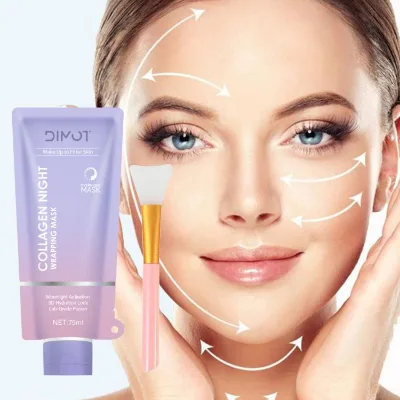
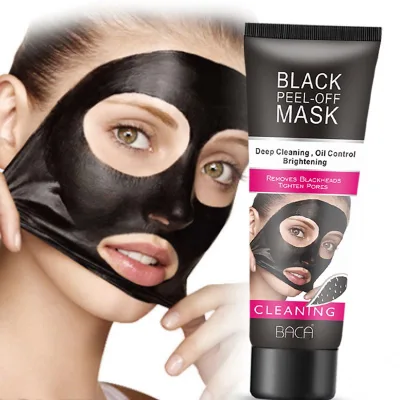
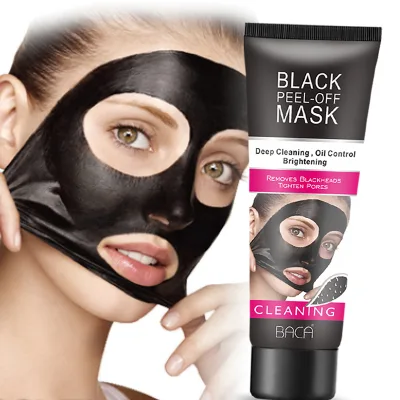
The product scope for blackhead removal masks encompasses a wide array of formats, primarily divided into sheet masks and mud masks, each serving distinct consumer needs. Sheet masks, often made from spunlace non-woven fabric, are typically designed for hydration and nourishment, featuring ingredients like collagen, hyaluronic acid, and shea butter to address aging and dryness. In contrast, mud masks, which may include volcanic mud and glycerin, are formulated for deep cleansing, targeting blackheads, oil control, and pore shrinking. Buyers should carefully distinguish between these formats during sourcing, as the manufacturing processes, material costs, and application methods differ significantly, impacting both the user experience and the logistical handling of the finished goods.
Listing signals reveal that many suppliers offer extensive customization capabilities, allowing brands to specify main ingredients, packaging types, and functional features. For instance, some products are marketed with specific benefits such as moisturizing, whitening, firming, and lightening, while others focus on organic ingredients or silicone-free formulations. The presence of sample availability and various size types, including travel and sample sizes, suggests that suppliers are equipped to support both bulk procurement and promotional campaigns. Buyers should leverage these signals to request detailed product specifications and ingredient lists, ensuring that the claimed benefits, such as blackhead removal or pore cleaning, are supported by the actual formulation and not just marketing language.
Technical Specifications to Verify
Technical verification begins with the material composition and physical structure of the mask. For sheet masks, buyers must confirm the fabric type, such as spunlace non-woven, and verify the weight and thickness, which affect serum absorption and adherence to the skin. For mud masks, the viscosity, drying time, and ease of removal are critical technical parameters that influence consumer satisfaction. Additionally, the volume and net weight of the product, which can range from small sample sizes to larger containers, must be accurately specified to ensure consistency in production and compliance with labeling regulations. Buyers should request detailed technical data sheets that outline these physical properties to prevent discrepancies between samples and bulk production.
Packaging and dimensional specifications are equally important for logistics and retail presentation. Observed data indicates variations in single package sizes, with some products measuring around 53.5x51x20 cm and others around 45.7x42.1x37.3 cm, highlighting the need for precise carton dimensions to optimize shipping space. Buyers must verify the packing method, whether it is individual color paper boxes or bulk cartons, and confirm the gross and net weights to calculate accurate freight costs. Furthermore, the shelf life, typically observed as three years for many cosmetic products, should be clearly stated and verified through stability testing to ensure product integrity over time.
Compliance and Safety Documentation
Compliance with safety standards is paramount when sourcing facial masks, particularly those claiming specific functional benefits like blackhead removal or pore shrinking. Buyers must ensure that suppliers provide necessary certifications, such as MSDS (Material Safety Data Sheet), which details the chemical composition and handling requirements of the product. While some background information mentions ISO standards, buyers should verify the current and relevant certifications for the specific product type, ensuring that the manufacturing facility adheres to good manufacturing practices (GMP) and other regional regulatory requirements. This due diligence helps mitigate risks associated with product recalls or legal issues in target markets.
Ingredient transparency is another critical aspect of compliance. Buyers should require full ingredient lists, including concentrations of active components like hyaluronic acid, vitamin C, or volcanic mud, to ensure they meet regulatory limits for cosmetics in the destination country. Claims such as "organic" or "silicone-free" must be substantiated with appropriate documentation or certifications to avoid misleading consumers. Additionally, buyers should verify that the product formulation does not contain prohibited substances and that all labeling, including warnings and usage instructions, complies with local language and regulatory requirements.
Cost Drivers and Commercial Terms
Cost drivers for blackhead removal masks include the type of material, the complexity of the formulation, and the level of customization required. Sheet masks made from high-quality spunlace fabric with multiple layers of serum-infused ingredients may command higher prices compared to standard non-woven masks. Similarly, mud masks with specialized ingredients like volcanic mud or herbal extracts may have different cost structures due to the sourcing and processing of these raw materials. Buyers should analyze the cost breakdown to understand how material quality and ingredient concentration impact the final price, ensuring that they are paying for genuine value rather than just marketing claims.
Commercial terms, including minimum order quantities (MOQ) and payment terms, vary significantly among suppliers. Observed MOQs range from 144 pieces to 50,000 pieces, offering flexibility for different business models. Buyers should negotiate terms that align with their inventory management strategy, considering factors like storage capacity and sales velocity. Additionally, lead times and sample availability should be clarified upfront to ensure timely product launches. Buyers should also inquire about bulk discounts and tiered pricing structures to optimize costs for larger orders, while maintaining quality standards.
Supplier Qualification and Quality Control
Supplier qualification involves assessing the manufacturer’s production capabilities, quality control systems, and track record. Buyers should verify the supplier’s location, such as Guangdong, China, and confirm their experience in producing facial masks, particularly those with specific functional claims. It is essential to review the supplier’s quality control processes, including raw material inspection, in-process checks, and final product testing, to ensure consistency and safety. Suppliers offering original brand manufacturing (OBM) services should be evaluated on their ability to maintain brand integrity and confidentiality throughout the production process.
Quality control measures should extend to post-production checks, including packaging integrity and labeling accuracy. Buyers should implement a robust inspection plan, potentially involving third-party inspection services, to verify that the bulk production matches the approved sample in terms of appearance, texture, and ingredient content. Regular audits of the supplier’s facility can also help identify potential risks and ensure ongoing compliance with quality standards. Establishing clear communication channels and feedback loops with the supplier is crucial for addressing any issues promptly and maintaining a strong partnership.
Long-Term Procurement Checks
Long-term procurement success depends on continuous monitoring of product performance and market feedback. Buyers should establish mechanisms to collect consumer feedback on the efficacy of the blackhead removal masks, particularly regarding their ability to reduce blackheads, shrink pores, and improve skin texture. This feedback can inform future product development and help identify areas for improvement in formulation or packaging. Additionally, buyers should stay updated on regulatory changes and market trends to ensure that their products remain compliant and competitive.
Building a resilient supply chain involves diversifying suppliers and maintaining strong relationships with key partners. Buyers should periodically review supplier performance metrics, such as on-time delivery, quality consistency, and responsiveness to issues, to ensure that they are meeting business objectives. Regularly updating product specifications and negotiating favorable terms can help maintain cost efficiency and product quality over time. By proactively managing these aspects, buyers can secure a reliable supply of high-quality blackhead removal exfoliating facial masks that meet consumer demands and drive business growth.
FAQs
What materials are used in the blackhead removal facial mask?
The mask is primarily made from non-woven fabric and volcanic mud. Some variants also contain ingredients like collagen, hyaluronic acid, and glycerin to nourish the skin while removing blackheads and oil.
Can I customize the blackhead removal facial mask packaging?
Yes, customization is available for this product. Buyers can request specific packaging options such as color paper boxes or cartons to meet their branding needs while sourcing from Chinese manufacturers.
What is the minimum order quantity for the blackhead removal mask?
The minimum order quantity is 144 pieces for standard orders. However, sample sizes are available for testing, and bulk orders can range up to 50,000 units depending on the supplier capacity.
Which certifications does the blackhead removal facial mask hold?
The product holds MSDS certification to ensure safety during transport and use. While some background standards like ISO 9001 exist, the confirmed certification listed for this specific item is MSDS.
How long is the shelf life of the blackhead removal mask?
The shelf life is three years from the date of manufacture. This ensures the active ingredients like volcanic mud and herbal extracts remain effective for home use until the expiration date.
What are the main ingredients in the blackhead removal facial mask?
Key ingredients include volcanic mud, glycerin, collagen, and hyaluronic acid. These components work together to moisturize, whiten, and shrink pores while effectively removing blackheads and excess oil from the face.
Where is the blackhead removal facial mask manufactured?
The product originates from Guangdong, China. This location is a known hub for cosmetic manufacturing, ensuring efficient production and logistics for international buyers seeking non-woven or mud-based facial masks.